


解体工事が進められていた「旧香川県立体育館」が、保存活用に向けての“最後のチャンス”を迎えています(詳細はこちらの記事を→https://bunganet.tokyo/kagawastop/)。この機に、BUNGA NETでは緊急連載「旧香川県立体育館に思う──アーキテクトボイス50」を行います(発起人:田根剛、佐々木睦朗、北山恒、宮沢洋)。21人目は四国の松山市を拠点に活躍する建築家の矢野寿洋氏(矢野青山建築設計事務所)です。(ここまでBUNGA NET編集部)
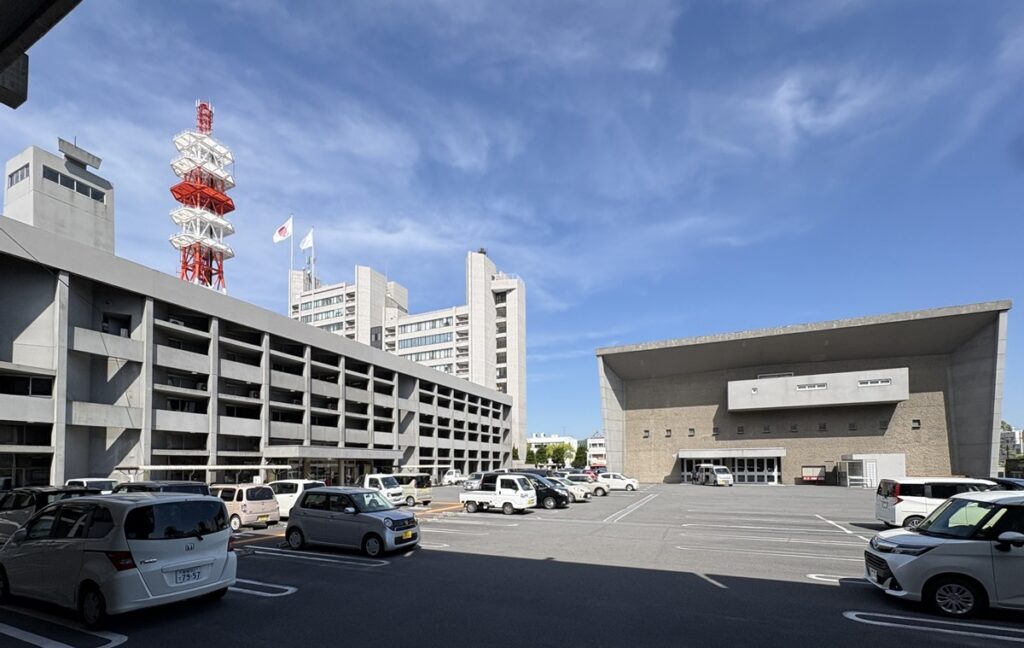 丹下健三の出身地、今治市の市庁舎(左)と公会堂(右)。ともに1958年竣工。1965年に竣工した市民会館から見る(写真:宮沢洋)
隣の愛媛から、この件を見ている。
愛媛は丹下健三が育った土地である。今治市では市庁舎・公会堂・市民会館を、県では県民文化会館を、地域の資産としてどう活かすかが議論されている。一方で、愛媛も丹下の初期作である愛媛県民館を1985年に失った。だから香川のことを他人事として見ることはできない。
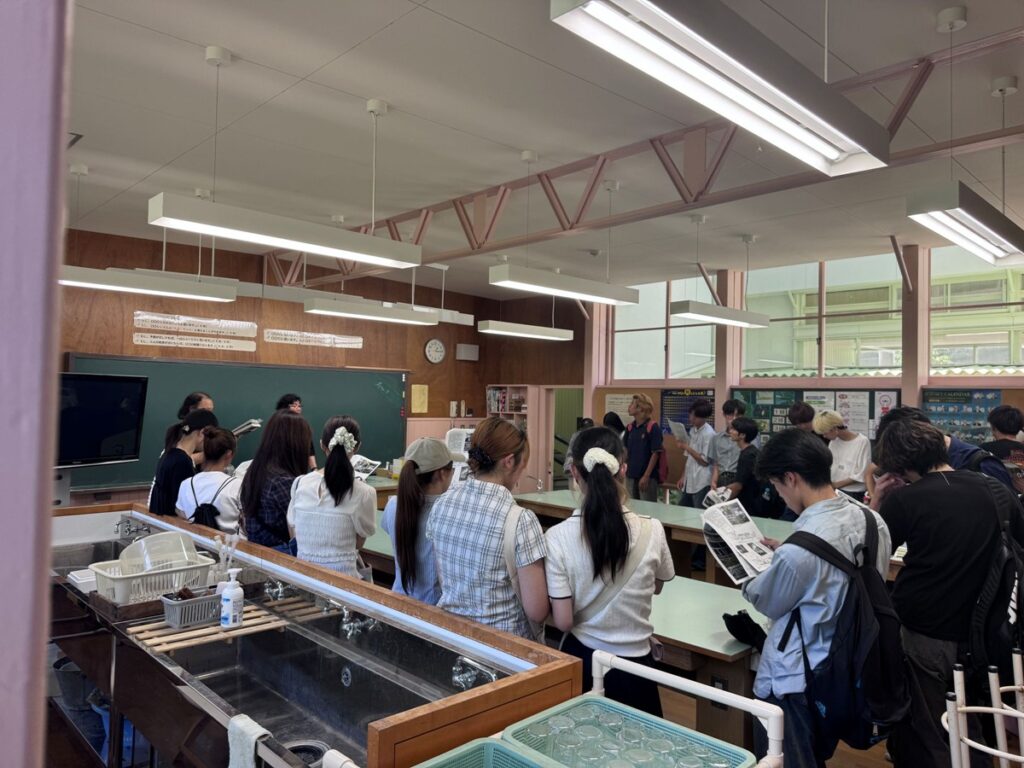
丹下と同じ年に生まれた松村正恒の日土小学校が現役の校舎として残り、旧八幡浜市立図書館も移築再生されようとしている。これは、様々な関係者が長い時間をかけて尽力してくれたからこその幸運である。日土小学校の毎年の見学会が地域の恒例行事となり、住民や子どもたちが様々な企画で盛り上げている。とても幸せな風景である。
今回、活用案が出た時期やその現実性について、私には判断がつかない。行政の立場も、ここまで進んだ工事を止める難しさもわかる。
それでも、何としてでも残した方がよいと思う。地域にある固有のものを手放していけば、地方都市はどこにでもあるような個性のない街になってしまう。手元にある固有のものを手放しておいて、地域活性化を語れるはずがない。
一方で、今回の件を機に、地方の建築家として、大学教員として、住民として、いつどう動くべきだったのかを考えたい。近代建築の保存問題はこれから各地で増えていく。必要なのは、既に議論がはじまっているように保存そして活用のための調査や活動が実績としてもっと評価される仕組みと、建築の価値を専門家の外にも伝わる言葉で届け続けることだと思う。
次に四国のどこかで同じことが起きたとき、建築業界の外からも保存・活用を望む声が上がる社会を実現するために。
矢野寿洋/建築家、矢野青山建築設計事務所、愛媛大学准教授
プロフィルはこちら→https://www.yanoao.com/yano-toshihiro
矢野青山建築設計事務所の活動はこちらでも→「愛媛発・矢野青山の挑戦」
 日土小学校。1956年、1958年竣工。現役の木造校舎として2012年に国の重要文化財となった(写真:矢野青山建築設計事務所、下も)
I am observing this matter from neighboring Ehime.
Ehime is the land where Kenzo Tange grew up. In Imabari City, discussions are underway on how to utilize the City Hall, Public Hall, and Civic Center as community assets, while at the prefectural level, the same is being debated for the Prefectural Cultural Center. On the other hand, Ehime also lost the Ehime Prefectural Hall—one of Tange’s early works—in 1985. Therefore, I cannot view what is happening in Kagawa as someone else’s problem.
Masatsune Matsumura, who was born in the same year as Tange, designed the Hizuchi Elementary School, which remains in active use, and the former Yawatahama City Library is set to be relocated and restored. This is a stroke of good fortune made possible only by the long-term dedication of various stakeholders. The annual open house at Hizuchi Elementary School has become a local tradition, with residents and children livening up the event through various activities. It is a truly heartwarming sight.
At this point, I cannot judge the timing of the proposed reuse plan or its feasibility. I understand the government’s position and the difficulty of halting construction that has progressed this far.
Even so, I believe we must preserve it at all costs. If we continue to let go of the unique elements of our region, regional cities will become generic, characterless towns found anywhere. We cannot talk about regional revitalization while letting go of the unique assets we already possess.
At the same time, taking this incident as an opportunity, I want to reflect on when and how I should have acted—as a regional architect, a university professor, and a resident. Issues surrounding the preservation of modern architecture will only increase in various regions from now on. What is needed, I believe, is a system that better recognizes the value of research and activities aimed at preservation and reuse—as evidenced by the discussions already underway—and a continued effort to communicate the value of architecture in terms that resonate beyond the expert community.
So that the next time something like this happens somewhere in Shikoku, we can create a society where voices calling for preservation and adaptive reuse rise up even from outside the architectural community.
Toshihiro Yano / Architect, Yano Aoyama Architects; Associate Professor, Ehime University
一覧ページはこちら↓
WACOCA: People, Life, Style.