

Did you know that a single pair of cats can result in up to 65 kittens in just one year?
Rapid feline overpopulation results in the continuous birth of cats with no sustainable outcomes. Animal welfare groups have long been making extraordinary efforts to manage the consequences of this issue.
In overpopulation hotspots, strict reproductive control through spay and neuter surgery is the only effective solution. Yet, there are not enough veterinarians trained to perform these surgeries at the scale required to sterilize entire colonies in a single intervention. Leaving even one cat unsterilized allows the cycle of reproduction to continue, preventing sustainable progress.
At Spay Vets Japan, we address this challenge by training veterinarians. Through advanced surgical techniques that limit incisions to approximately 1 cm and minimize physical stress on the animal, we train veterinarians to safely perform up to 30 spay and neuter surgeries per day. By increasing the number of veterinarians capable of delivering high-quality, high-volume spay neuter surgeries, we help “turn off the tap” by addressing overpopulation at its root.
In November 2025, to expand access to these critical skills, Spay Vets Japan established the Animal Birth Control and surgical training center (ABC Training Center)—a dedicated veterinary surgical training facility—in Yao City, Osaka Prefecture.
Through this center, we aim to significantly increase the number of veterinarians who can operate effectively in high-need, overpopulation settings.
We have sustained our activities through a careful balance of training fees and donations.
However, expanding access to high-quality training inevitably requires greater financial support. This campaign represents our commitment to building a long-term foundation for veterinarian training in overpopulation prevention.
We believe that solving overpopulation at a systemic level—and envisioning a future where rescue is no longer necessary—requires the training of specialized veterinarians.
To help change the current reality, we invite you to stand with us and support our work in building this future together.
About Spay Vets Japan
Spay Vets Japan is a veterinarian-led organization focused on solving the social problems associated with dog and cat overpopulation through effective population control.
Through veterinarian training, we have worked to disseminate high-quality, high-volume spay and neuter techniques that enable a single veterinarian to safely perform approximately 30 surgeries per day in overpopulation settings. In areas affected by animal overpopulation, unless one veterinarian can perform around 30 sterilization surgeries per day, it becomes impossible to treat all animals in time—allowing new cycles of breeding to begin. Recognizing the need for more veterinarians to acquire these skills as a critical challenge in Japan today, we have actively promoted opportunities for technical training and professional exchange to support skill development and knowledge sharing.
We also engage in educational outreach through expert-led conferences, veterinary training programs, and public lectures to promote early-age spay and neuter, recognized as the most effective approach to feline population control. This refers to sterilization performed by five months of age, and we aim to establish this timing as the norm throughout Japan.
While there is a clear reality that cats can enter estrus and become pregnant as early as four months of age, the prevailing practice in Japan remains to delay spay and neuter surgery until six months of age.
Although concerns have historically been raised about potential risks associated with early-age sterilization, a number of these claims have been challenged or refuted by scientific research.
In fact, the American Veterinary Medical Association (AVMA) has already shifted toward supporting early-age spay and neuter. (Source: https://www.dvm360.com)
Background: Why Our Founder, Eriko Hashimoto started this Initiative

Spay Vets Japan Representative: Eriko Hashimoto
| An Encounter with Cat Volunteers
While I was working as an associate veterinarian at a general practice, I met a local cat rescue volunteer. She visited feeding sites every day and steadily carried out TNR—trapping cats, arranging spay and neuter surgery, and returning them to their original location—one cat at a time.
At that time, I was not yet very familiar with community cat management or TNR activities. However, I was deeply impressed by her dedication to caring for unowned cats and by the way she approached her work.
One day, she came to the clinic with an injury to her face. She told me that she had been struck by a local resident who opposed cats and shouted at her to stop feeding them.
I was outraged that someone so gentle had to suffer such treatment, and I also felt a strong responsibility as a veterinarian to go beyond clinical support and work toward increasing public understanding.
| From Individual Activity to Organizational Activity
Afterwards, I opened my own spay clinic and dedicated myself to promoting spay and neuter surgery. At the same time, I have been actively engaged in educational outreach through lectures, publications, and social media—using every possible channel to raise awareness about TNR, the importance of spay and neuter surgery, and the benefits of early-age sterilization.

“The Story of an Abandoned Cat” (Art by Eriko Hashimoto / Written by Asami Usui)

“The Story of a Stray Mother Cat” Original: Asami Usui (Cat Lover) / Art: Eriko Hashimoto (Veterinarian)

I have also used comics to communicate messages from veterinarians to the public.
I also established a consultation service for cat-related issues, which has allowed me to engage with a variety of social challenges. At times, I have received inquiries regarding dog overpopulation and have visited areas affected by excessive feral dog populations to observe the situation firsthand.
However, the more I learned about the issue—and the more I engaged in educational outreach—the more I came to realize the limitations of working alone. In particular, awareness-raising efforts carried out by an individual are often perceived as nothing more than “one person’s opinion,” no matter how evidence-based or sincere they may be.
Recognizing this, I decided to bring together veterinarians who shared the same values and commitment to humane population control. With the belief that education and advocacy must be carried out collectively to create real social change, I founded Spay Vets Japan as an organization dedicated to this mission.
| A Platform for Technical Exchange Among Veterinarians
While public education is one of the core missions of Spay Vets Japan, another key mission is to create a platform for technical exchange in spay and neuter surgery.
Before opening my spay clinic, I worked as an associate veterinarian at a general practice. At that time, I was not familiar with the low-invasive, high-volume spay and neuter techniques that are essential for effective work in overpopulation settings. After meeting the volunteer, I realized the need to acquire these skills. In order to learn them, I visited various clinics and high-volume spay and neuter surgery sites, where I was fortunate to observe, study, and learn from experienced professionals.
The veterinarians I met through this period of training later became the founding members of Spay Vets Japan. The surgical skills I have today are the result of the technical exchange and shared learning I experienced with these colleagues.
Through these experiences, I came to strongly believe in the importance of veterinarians continually refining their skills through mutual learning and professional challenge. I also became convinced that it is essential to create far more opportunities for veterinarians who are eager to learn and improve their surgical techniques.
This conviction is shared by every member of our board, and it became the driving force behind the creation of Spay Vets Japan’s training programs, coordinated high-volume spay and neuter projects, and the establishment of our dedicated training center.
In November 2025, we opened the ABC Training Center, a specialized facility dedicated to addressing animal overpopulation while training veterinarians with the skills needed to respond effectively in the field.
The ABC Training Center: Where Overpopulation Solutions Meet Veterinary Training
The ABC Training Center is a specialized facility dedicated to addressing dog and cat overpopulation while cultivating veterinarians’ skills in high-volume spay and neuter surgery—including early-age sterilization—along with a strong commitment to animal welfare.
Its predecessor, the Happy Tabby Clinic, is a cat-only spay and neuter clinic that has performed more than 27,000 surgeries since its founding.

The ABC Training Center goes beyond the boundaries of a conventional clinic. It is a place where veterinarians driven to address animal overpopulation can learn Spay Vets Japan’s surgical techniques, while also developing a deeper respect for life and a stronger commitment to animal welfare through their work with the dogs and cats treated here.
Just a 1cm incision: Surgeries at the ABC Training Center
At our facility, we teach a spay technique that uses a spay hook to exteriorize the uterus, allowing the procedure to be performed through an incision of approximately 1 cm (see Note 1). By mastering this technique, a single veterinarian can safely perform around 30 spay surgeries in one day.


During surgery, we place the highest priority on minimizing stress and physical burden on the animal by keeping the incision as small as possible and using anesthesia protocols with a strong emphasis on safety. In cats, the incision is typically about 1 cm in length, and even in dogs we aim to keep the incision as small as possible. Because the skin is closed with absorbable sutures, no suture removal is required (see Note 2).
In most dogs and cats, no special wound protection is required after surgery, and postoperative complications are uncommon (see Note 3). To prevent infection, a long-acting penicillin-class injectable antibiotic with a three-day duration is administered at the time of surgery, which means that postoperative oral antibiotics are generally unnecessary.
Note 1:
In conventional spay and neuter surgery, the incision is generally around 3 cm in length. Our approach adopts a technique that is less invasive than standard procedures.
Note 2:
In cases of pregnancy or diseases affecting the ovaries or uterus, the incision may be extended when a larger surgical field is considered safer.
Note 3:
If a dog or cat is expected to excessively lick the incision due to its temperament, the use of an abdominal wrap or an Elizabethan collar is recommended.
Expanding Hands-On Experience Veterinary Training at Spay Vets Japan
We offer two training courses for veterinarians, designed to match different levels of experience and proficiency.
The first is the “B-Certified Veterinarian Course,” designed for veterinarians who have never performed spay and neuter surgery, as well as those with limited experience. In this course, our certified instructors provide one-on-one, hands-on technical training. For less experienced participants, incisions may initially be larger, and some procedures may take an hour or longer. This course is specifically structured to offer careful, step-by-step guidance tailored to veterinarians at an early stage of skill development.

Scenes from training / workshops

Scenes from training / workshops

Scenes from training / workshops

Scenes from training / workshops
The second is the “SVJ-Certified Veterinarian Course,” intended for veterinarians who already have a certain level of surgical experience. By performing surgeries alongside our certified instructors, participants further build their experience while aiming to master techniques that are both safe and efficient.
Spay and neuter surgery involves many variables, and the level of difficulty can differ significantly from one animal to another. For this reason, building experience is essential. This course provides veterinarians with the opportunity to make their own clinical decisions, and when needed, to actively ask questions and consult with certified instructors—an important process for continuous technical growth. Training for this course is conducted at the ABC Training Center in Yao City, Osaka Prefecture; at the Dog and Cat Birth Control Clinic in Nanki-Shirahama, Wakayama Prefecture; and during high-volume spay and neuter events organized by our association.

Why we are Launching This Crowdfunding Campaign
Although the ABC Training Center was established with the dual purpose of addressing animal overpopulation and training veterinarians, there are challenges we must overcome in order to sustain its operations moving forward.
We believe that for a veterinarian to gain sufficient experience and master safe, efficient, high-volume spay and neuter techniques, it is necessary to perform approximately 1,000 spay and neuter surgeries. This number is essential in order to encounter and learn from a wide range of atypical and unexpected cases. All of our certified veterinarians have followed this same path in developing their skills.
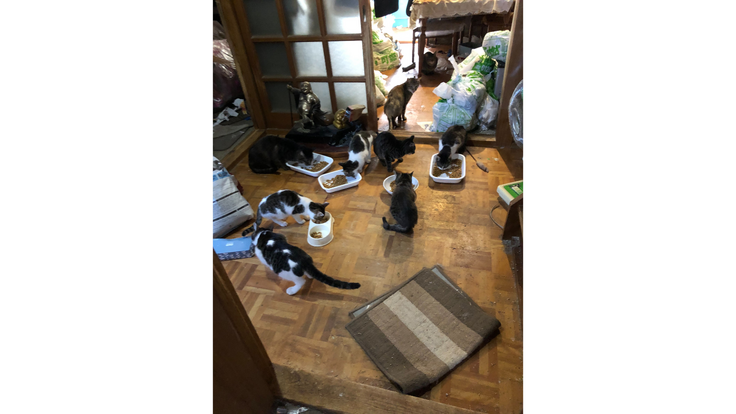
a situation of animal hoarding inside a household

a situation of uncontrolled breeding outdoors

animals born into a world with no access to food or shelter
However, the cost of one surgery is approximately 5,000 yen. While this may seem modest at first glance, requiring a trainee veterinarian to cover the cost of 1,000 surgeries would amount to an overwhelming financial burden—one that is simply unrealistic to bear. At the same time, we want more veterinarians to take part in solving the problem of animal overpopulation. For this reason, we decided to seek support and donations to help cover surgical costs, making it possible to train and empower a greater number of veterinarians who are committed to this mission.
Another reason we chose to launch this crowdfunding campaign is our belief that veterinarians must take the lead in making spay and neuter surgery a standard practice. This leadership is essential to realizing the future we envision—shifting from rescue to prevention, and building a society where responsible population management is the norm.
We also hope to make this work more widely known and to gain the support of people who share this vision. We would be deeply grateful if those who support this campaign would help spread the word, so that this challenge can be more broadly understood and supported.
Even at this very moment, animals with nowhere to go are being born—and dying. Some perish from hunger, having no access to food or care. We want to change this reality. That is our sole and simple motivation.
How your support will be used
All contributions will be used with care to support the training of veterinarians. Our fundraising goal of 8 million yen represents the cost of spay and neuter surgeries for approximately 1,000 cats (see Note 4).
Your support becomes a step toward creating a world where no lives are born with nowhere to go. We sincerely hope you will join us as partners in solving Japan’s animal overpopulation problem.
<Target Amount>
8 Million Yen
<Use of Funds>
Your contributions will be allocated to support the training of veterinarians who are committed to mastering spay and neuter surgery. They will be carefully used for hands-on surgical training for dogs and cats, as well as educational workshops, all aimed at developing veterinarians who can perform these procedures safely and responsibly.
Note 4:
Assuming that five veterinarians perform approximately 15–20 surgeries per session each month, this funding would cover the cost of spay and neuter surgeries for roughly one year, totaling approximately 1,000 animals.
Looking Ahead: The future of Spay Vets Japan
Spay Vets Japan will continue its work toward a future without the need for rescue activities—shifting from rescue to prevention.
Providing opportunities for veterinarians to learn and refine their skills, actively translating, analyzing, and sharing overseas research, and establishing systems of mutual support in times of disaster—there is still so much work ahead of us. Through this crowdfunding campaign, we hope to help many people better understand the challenges we currently face, and we sincerely ask for your support and shared commitment to this mission.
We sincerely ask for your warm support.
Introducing “Spay Vets Japan Supporters”
Through this crowdfunding campaign, organizations and individuals who resonate with our mission have shared messages as “Spay Vets Japan Supporters.”
Please read the messages shared by supporters who stand with us in #ShiftingFromRescueToPrevention.
▼ Click here for the list (Japanese)
https://readyfor.jp/projects/spayvetsjapan-2026/announcements/412959
Messages from Veterinarians who completed the Training
Spay Vets Japan Member
Dr. Katsuya Furukawa, Veterinarian
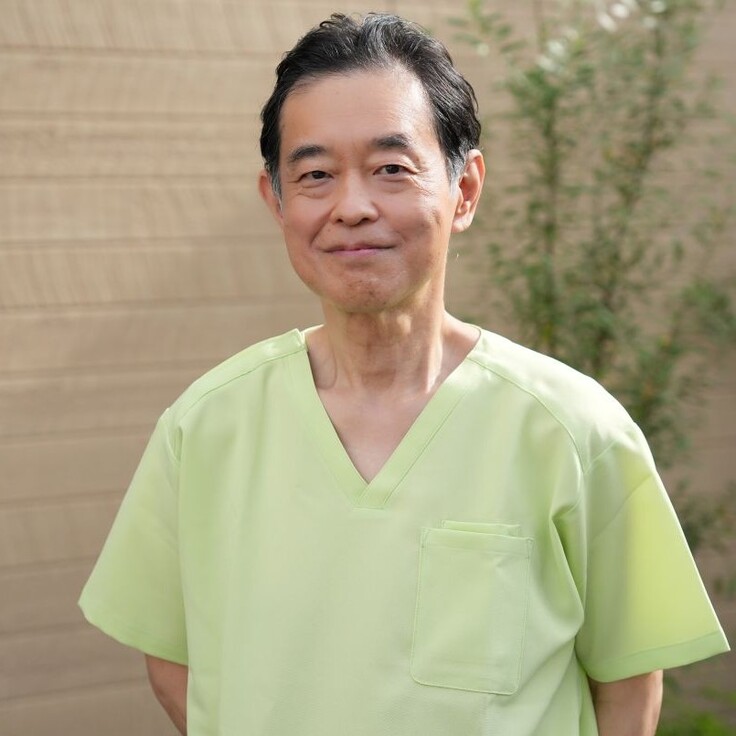
I have spent many years as a public veterinary officer addressing issues related to feral dogs and cats. Through this work, I realized that preventing overpopulation is essential for truly solving these problems, and I wanted to become involved in spay and neuter surgeries for dogs and cats.
Since I had very little clinical experience, I began training from the basics with Spay Vets Japan, aiming to eventually apply these skills in my local community. Spay Vets Japan has been an invaluable resource, providing a place for veterinarians like me to gain the training necessary to tackle the overpopulation of feral dogs and cats.
Spay Vets Japan Member
Dr. Hiromi Kitagawa, Veterinarian

Working daily with people facing challenges related to animal overpopulation, I have come to realize that providing appropriate advice is not enough—practical skills, specifically spay and neuter surgeries, are essential. In areas where cats are increasing and causing problems, spay and neuter procedures are a crucial solution. To guide those unsure of what actions to take, it is essential to understand the realities on the ground and provide concrete solutions, which requires reliable surgical skills. Through training, I have been learning the instructors’ efficient techniques and striving each day to get closer to that standard. For a society where cats and people can live together comfortably, I aim to continue refining both my communication and surgical skills, working toward becoming a public veterinary officer who contributes to animal welfare through both dialogue and practice.
Important Notes
・Please note that refunds or cancellations cannot be accommodated once the project reaches its first funding goal.
・Messages submitted as “support comments” upon completing your contribution may be used for project promotion. Thank you for your understanding.
・For experiential rewards with an expiration date, if circumstances prevent participation within the validity period, we may individually adjust the schedule. Please note that refunds will not be provided.
・For rewards that include name listing, please refer to the detailed terms at the following link: https://readyfor.jp/terms_of_service#appendix under “● Naming rights, message postings, and other similar rewards” in the Support Agreement.
・All images used on this project page have been authorized by the respective landowners.